

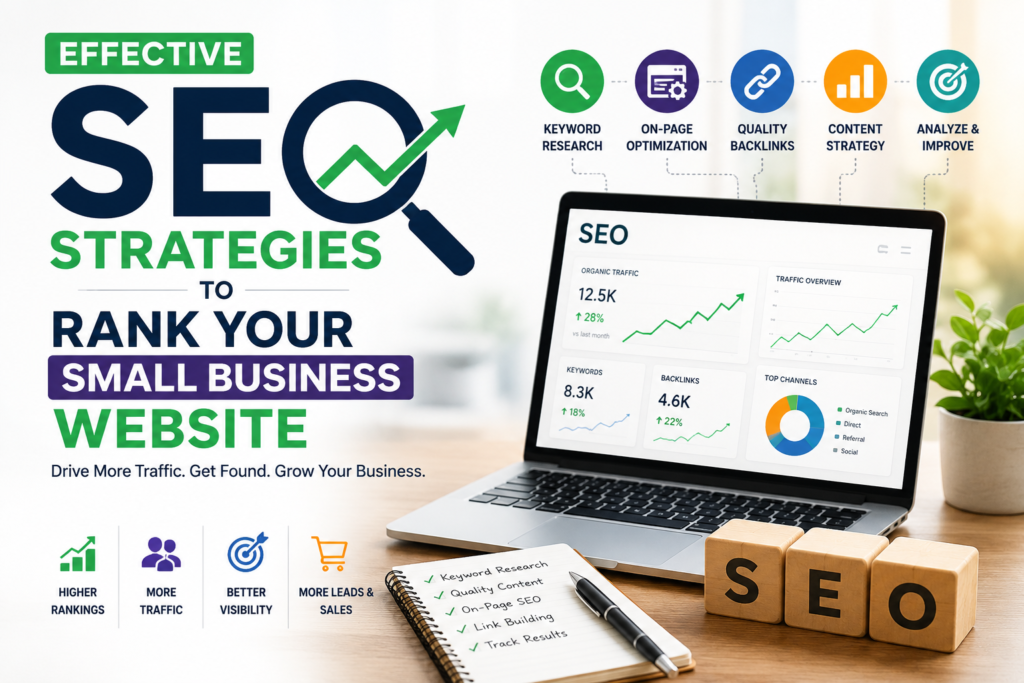
To rank a small business website effectively, focus on optimizing for local SEO, which can increase your visibility by up to 50% in search results. Implement on-page SEO techniques, claim your local listings, and create valuable content tailored to your audience. These strategies not only enhance your online presence but can also lead to significant growth without breaking the bank.
In my journey of optimizing my small business website, I found that implementing specific SEO strategies made a noticeable difference in web traffic. I want to share my experiences and the steps that helped me achieve better rankings in search results. So, let’s dive into the key aspects of successful small business SEO that won’t break the bank.
Understanding SEO Basics for Small Businesses
First, it’s essential to understand the foundation of SEO. Search engine optimization encompasses various strategies that help your website show up higher in search results. The primary focus should be on on-page SEO. This involves optimizing elements like title tags, meta descriptions, and content that directly relate to the keywords your customers are searching for.
I found that conducting keyword research is a great starting point. Tools like Ubersuggest or Google Keyword Planner can help you identify relevant keywords that potential customers are using. Once you have a list of keywords, strategically incorporate them into your website’s content, ensuring it feels natural and engaging for your audience.

Leveraging Local SEO for Increased Visibility
As a small business, your target audience is likely local. This is where local SEO comes into play. One of the most effective strategies I’ve used is optimizing my Google My Business profile. Make sure your business name, address, and phone number (NAP) are consistent across all platforms to improve your local search rankings.
Additionally, consider gathering customer reviews and testimonials, as they significantly influence potential customers’ decisions. I learned that having a few good reviews on my site not only increases local relevance but also builds trust with new clients. Don’t forget to use local keywords, like “Best Coffee Shop in [Your City],” incorporated naturally into your content.

Cost-Effective Strategies to Improve Rankings
Improving your website’s ranking doesn’t have to be expensive. Here are a few cost-effective strategies I’ve implemented:
- Optimize loading speed: A slow website can hurt your ranking. I found that optimizing images and leveraging browser caching helped reduce loading times significantly. For more detailed advice on this, check out my article on Website Speed Optimization Tips.
- Create quality content: Regularly updating your site with fresh, informative content not only helps with SEO but also establishes you as an authority in your niche. I started a blog to share insights about my industry, which in turn kept my website relevant in search engines.
- Build backlinks: Backlinks from reputable sites significantly boost your SEO score. I reached out to local blogs and businesses for guest posting opportunities, which increased my site’s credibility and visibility.

Mistakes to Avoid in Small Business SEO
When I first began optimizing my website, I made several mistakes that set me back. Here’s what I learned to avoid:
- Ignoring mobile optimization: With more users accessing websites on their phones, having a mobile-friendly site is essential. I switched to a responsive design, which dramatically improved user experience.
- Keyword stuffing: Overloading your content with keywords can lead to penalties. I focus on using keywords organically and naturally within the context.
- Neglecting analytics: Not monitoring my website’s performance meant I was missing out on valuable insights. Using tools like Google Analytics helped me understand what was working and what needed improvement.

By following these strategies, I was able to enhance my website’s visibility without incurring hefty costs. If you’re looking for additional guidance on the benefits of having a website for your small business, feel free to check my article on the Top 10 Benefits of Having a Business Website for Small.
Implementing these tried-and-true tips can lead to increased traffic and potential customers for your small business. Remember, SEO is a gradual process, and consistency is key. So stick with it, and over time, you’ll see the rewards! For more insights on how to rank a small business website, explore additional resources.
Frequently Asked Questions
What are the basics of SEO for small businesses?
The basics of SEO for small businesses include optimizing website content with relevant keywords, improving site speed and mobile-friendliness, using meta tags and descriptions effectively, and ensuring a user-friendly design. It's also important to claim and optimize your Google My Business listing and to create high-quality, engaging content that answers customer queries.
Why isn't my small business website ranking?
Your small business website may not be ranking due to factors such as poor keyword targeting, lack of backlinks, inadequate content optimization, or technical issues like slow load times or mobile incompatibility. Additionally, insufficient local SEO efforts or failing to leverage social media can also hinder your rankings.
How can local SEO help my small business?
Local SEO can significantly help your small business by improving visibility in local search results. By optimizing your website for local keywords, registering on Google My Business, and garnering positive customer reviews, you can attract more local customers who are searching for services like yours.
Is SEO worth it for small businesses?
Yes, SEO is worth it for small businesses as it can lead to increased online visibility, more targeted traffic, and ultimately higher conversion rates. Although it may require time and resources, the long-term benefits of ranking higher in search results can contribute significantly to revenue growth.
Can social media impact website SEO?
Yes, social media can impact website SEO by driving traffic to your site and building brand awareness. Engaging content shared on social media can lead to links from other sites, improve user engagement metrics, and enhance your overall online presence, which can positively influence search rankings.