

Implementing website speed optimization tips can increase conversion rates by up to 7% for every second of improved load time. I witnessed this impact directly when my site's engagement dropped, leading me to adopt effective strategies. By focusing on specific optimization techniques, I enhanced user experience and boosted my search rankings. Here are the key insights that can help you achieve similar results.
Website speed is crucial because it directly impacts user retention and conversion rates. A slow-loading site can frustrate visitors, leading them to leave before they even see what you have to offer. In my experience, optimizing my site’s speed resulted in lower bounce rates and increased time spent on the page. It’s remarkable how such a simple aspect can affect your overall success!
Understanding the Importance of Website Speed
In a world where everything is expected to happen at the click of a button, your website needs to keep up. When I focused on website speed optimization, I quickly learned that not only does speed matter for user satisfaction, but search engines like Google factor it into their ranking algorithms. This means that faster websites tend to rank higher, giving you a significant advantage.
Additionally, I noticed a direct correlation between site speed and conversion rates. Every second matters—if you can shave even just a little time off your load speed, it can lead to substantial improvements in your site’s performance. Don’t overlook this crucial aspect of your online presence!
Common Techniques to Boost Your Website Speed
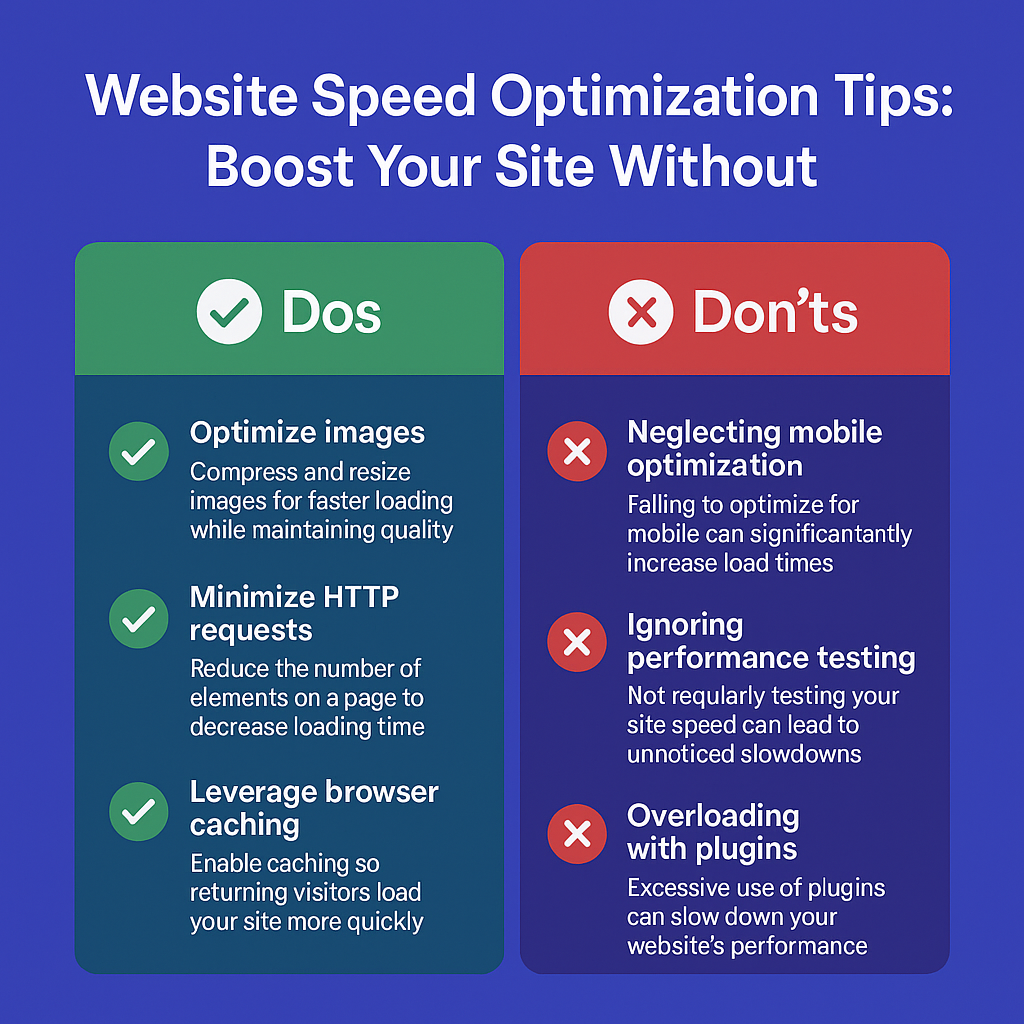
There are several techniques I’ve tried that can effectively boost your site speed. One of the first steps I took was to optimize image sizes. Large images are often the culprits behind slow-loading pages. I compressed them using tools like TinyPNG, which significantly decreased file sizes without sacrificing quality.
Another technique that worked wonders was leveraging browser caching. By enabling caching on my website, I allowed returning visitors to load the page faster since their browsers stored some elements of my site. This is a simple yet powerful way to enhance speed. I also recommend implementing a content delivery network (CDN), which distributes your content across multiple servers globally, reducing the distance data must travel to reach your users.

Tools to Help Measure and Improve Your Site’s Performance
To ensure that the optimizations I was implementing were effective, I relied on several tools for monitoring and analysis. One of my favorites is PageSpeed Insights. This tool analyzes my website’s performance and provides actionable recommendations, highlighting exactly where I need to improve.
I also use GTmetrix to track my site’s loading speed over time. It offers detailed reports on different performance metrics, helping me to see the impact of my changes. Having these insights empowers me to make informed decisions, ultimately leading to a more optimized website.

Advanced Strategies for Web Developers
If you’re in a position to dig deeper, there are advanced strategies that can take your website speed to another level. One method is to optimize your server response time. I switched to a hosting provider that offered improved performance and watched my server speed double overnight. The hosting service you choose plays a crucial role in how quickly your website can deliver content.
Additionally, considering server-side technologies like HTTP/2 can drastically improve the loading speed. HTTP/2 allows for multiplexing multiple requests over a single connection, reducing the overall time it takes to load content. This might require more technical skills, but the benefits are worth it. Learning and applying server-side optimization techniques can give you increased control and better results.

Implementing these website speed optimization tips into your strategy can substantially enhance your site’s performance. From understanding the fundamentals to applying advanced techniques, every bit helps create a user-friendly atmosphere that keeps visitors engaged. Remember, in this fast-paced digital world, speed matters more than ever!
Frequently Asked Questions
Why is website speed optimization important?
Website speed optimization is important because a faster-loading site leads to better user engagement, higher conversion rates, and lower bounce rates. Additionally, speed directly affects overall performance, which can enhance your brand's credibility and user trust.
How can I check my website's loading speed?
You can check your website's loading speed using tools like Google PageSpeed Insights, GTmetrix, or Pingdom. These tools provide detailed reports and suggestions for improving your site's performance.
What factors affect website speed?
Factors that affect website speed include image sizes, the hosting server's performance, the number of HTTP requests, the use of scripts and plugins, and page caching mechanisms. Optimizing each of these elements can significantly enhance loading times.
Can website speed affect SEO rankings?
Yes, website speed can affect SEO rankings, as search engines like Google consider loading times as part of their ranking algorithms. Sites that load quickly are more likely to rank higher in search results compared to slower counterparts.
How does website speed impact user experience?
Website speed impacts user experience by influencing how quickly users can access content. A slow website can frustrate users, leading to higher bounce rates and a negative perception of the brand, while a fast website encourages users to stay and interact.